


เชื่อมอลูมิเนียมตรวจสอบ ER4043: และใช้งานทั่วไป
ER4043 เป็นลวดเชื่อมอะลูมิเนียม-ซิลิคอนที่ใช้กันอย่างแพร่หลาย ซึ่งมีชื่อเสียงในด้านความอเนกประสงค์ ประสิทธิภาพสูง และความเหมาะสมสำหรับการใช้งานในอุตสาหกรรมที่มีความต้องการสูง ด้านล่างนี้คือการวิเคราะห์โดยละเอียดเกี่ยวกับคุณสมบัติ การใช้งาน และข้อดี พร้อมข้อมูลเชิงลึกที่ดึงมาจากหลายแหล่ง
1. องค์ประกอบและลักษณะสำคัญ
ER4043 จัดอยู่ในประเภทก ซิลิคอนอลูมิเนียม 5% (AlSi5) โลหะตัวเติม ซึ่งส่วนใหญ่ประกอบด้วย ซิลิคอน 4.5–6% และอะลูมิเนียมส่วนที่เหลือ ซึ่งมีธาตุติดตามควบคุมอย่างเข้มงวด (เช่น Fe ≤0.6%, Cu ≤0.3%) คุณสมบัติหลัก ได้แก่: : : :
- ความคล่องตัวที่เพิ่มขึ้น : ปริมาณซิลิกอนช่วยเพิ่มความลื่นไหลของสระเชื่อม ทำให้มั่นใจได้ถึงการก่อตัวของเม็ดบีดที่ราบรื่นและลดความไวต่อการแตกร้าว
- จุดหลอมเหลวต่ำ : ช่วงการหลอมละลายของ 573–625°ซ (1,065–1,170°F) เหมาะสำหรับแผ่นอะลูมิเนียมบางและการใช้งานที่ไวต่อความร้อน
- ความต้านทานการกัดกร่อน : เหมาะสำหรับสภาพแวดล้อมกลางแจ้งหรือที่มีฤทธิ์กัดกร่อนเนื่องจากเคมีในการเชื่อมมีความเสถียร
- ความเข้ากันได้หลังการอโนไดซ์ : ทำให้เกิดคราบเชื่อมสีเทา แม้ว่าสีอาจไม่ตรงกันอาจเกิดขึ้นกับโลหะฐานอะโนไดซ์ก็ตาม
2. การใช้งานและกรณีการใช้งานในอุตสาหกรรม
ER4043 ใช้งานได้อเนกประสงค์ในทุกภาคส่วนที่ต้องการการเชื่อมอะลูมิเนียม:
- ยานยนต์ : ใช้สำหรับส่วนประกอบอะลูมิเนียมน้ำหนักเบา (เช่น แผงตัวถัง กล่องแบตเตอรี่ใน EV)
- ทางทะเลและการต่อเรือ : เชื่อมตัวถังและโครงสร้างอลูมิเนียมที่สัมผัสกับน้ำเค็ม
- การก่อสร้าง : เหมาะสำหรับหน้าต่างอะลูมิเนียม ผนังม่าน และระบบ HVAC
- ภาชนะรับแรงดันและท่อ : รับประกันข้อต่อป้องกันการรั่วสำหรับถังเก็บและท่อ
- การผลิตทั่วไป : ซ่อมแซมและผลิตอะลูมิเนียมหล่อ (เช่น 356.0, 413.0) และโลหะผสม เช่น 6061, 5052 และ 3003
3. กระบวนการเชื่อมและพารามิเตอร์
ER4043 เข้ากันได้กับ:
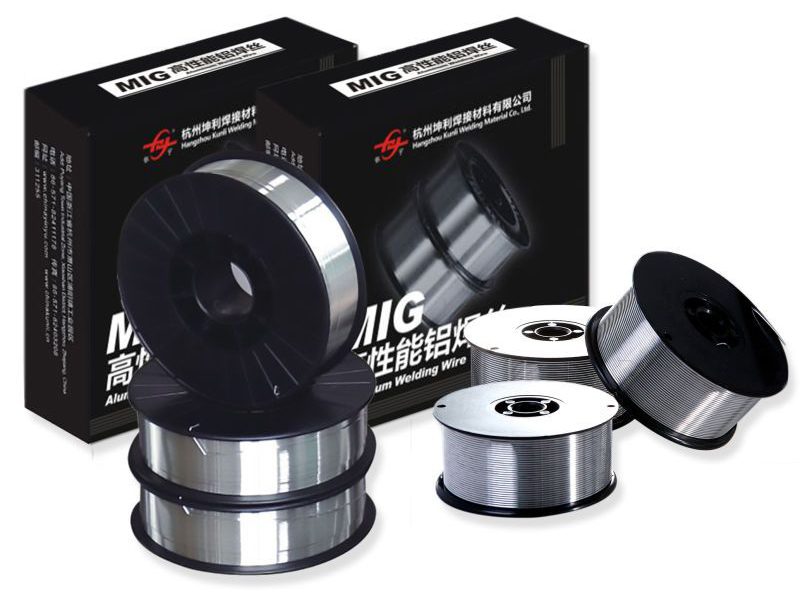
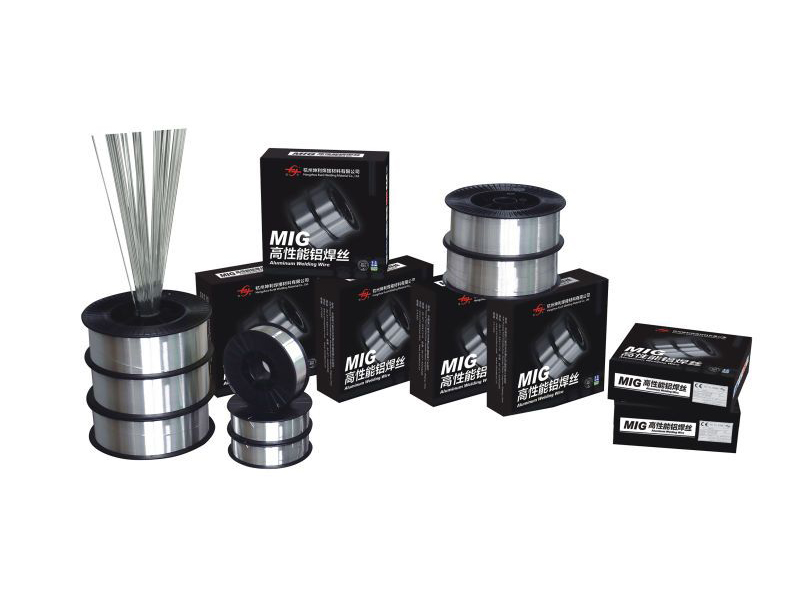
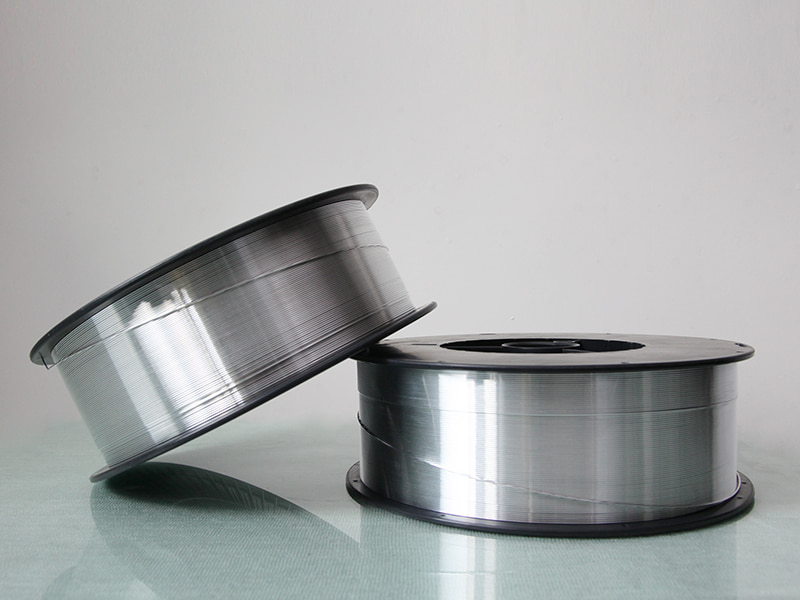
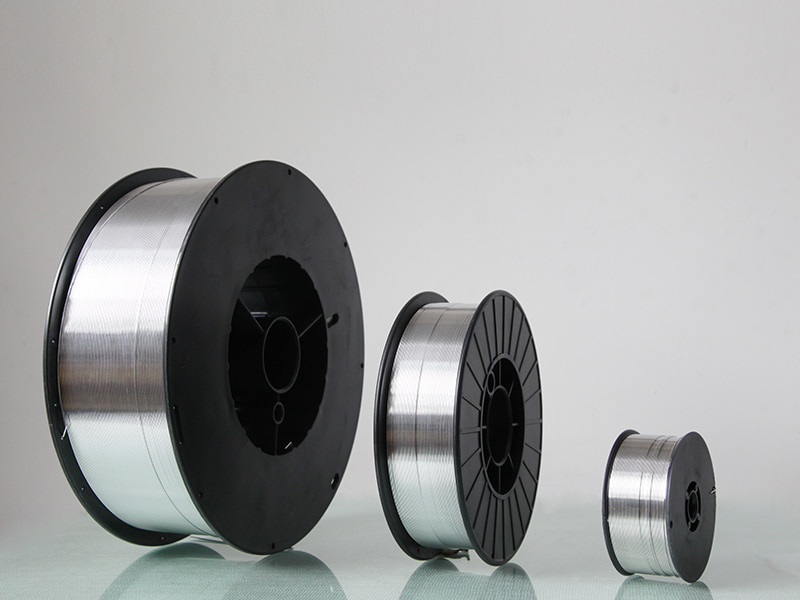
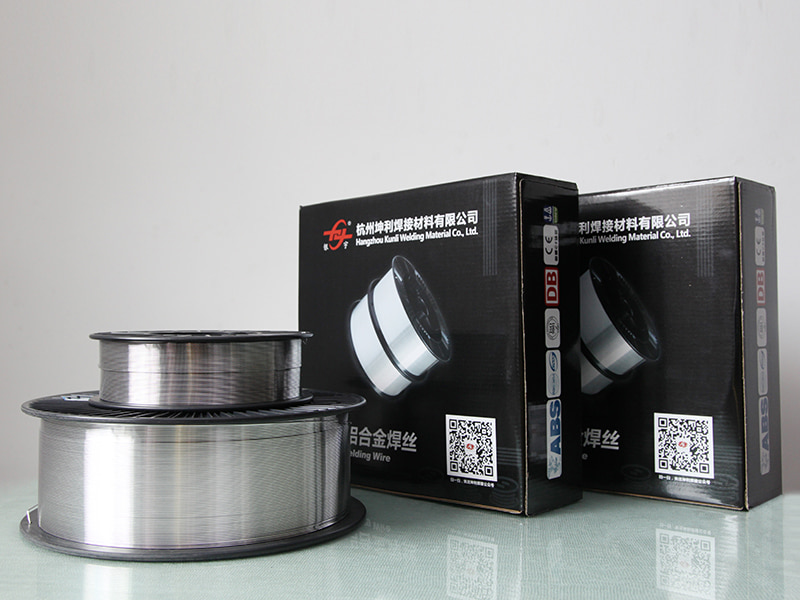
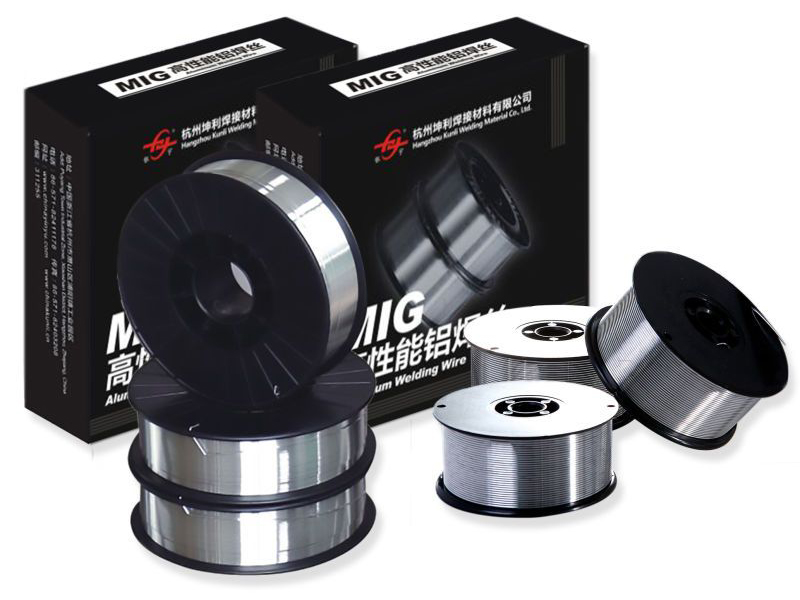
- การเชื่อม มิก : ปรับให้เหมาะสมสำหรับกระบวนการอัตโนมัติความเร็วสูง เส้นผ่านศูนย์กลางลวดทั่วไปได้แก่ 0.8–2.0 มม ด้วยน้ำหนักสปูลของ 6 กก. 7 กก. หรือ 20 กก
- การเชื่อมทิก : เหมาะสำหรับการเชื่อมที่มีความแม่นยำในการใช้งานด้านการบินและอวกาศหรืองานแผ่นบาง
- การเชื่อมด้วยออกซิเจน-อะเซทิลีน : ต้องใช้ฟลักซ์ (เช่น ฟลักซ์การเชื่อมแก๊สอลูมิเนียม) เพื่อกำจัดออกไซด์
ป้องกันแก๊ส : แนะนำให้ใช้อาร์กอนบริสุทธิ์ (Ar) สำหรับการป้องกันและคุณภาพการเชื่อม
4. บรรจุภัณฑ์และการรับรอง
- ตัวเลือกบรรจุภัณฑ์ :
- MIG : 6–7 กก./แกน (แกนพลาสติกหรือโลหะ) พร้อมกระดาษป้องกันการหมองและสารดูดความชื้น
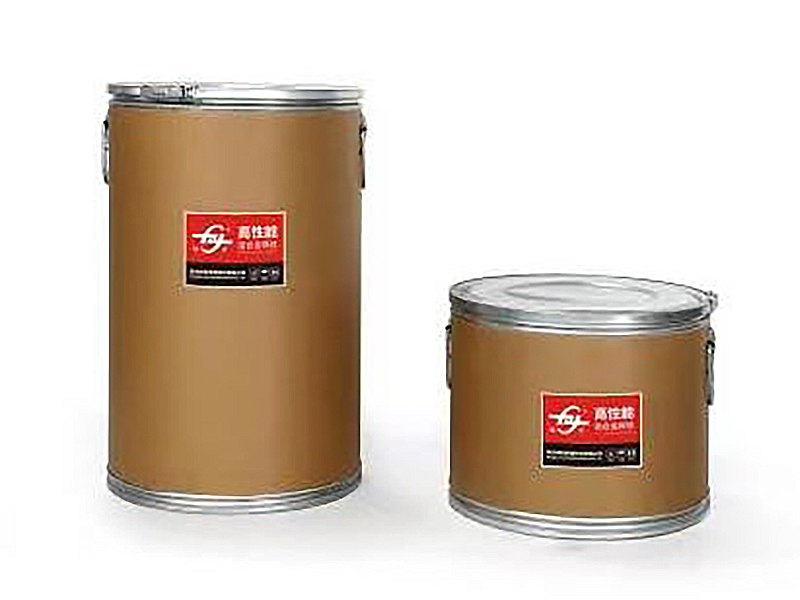
- ทีไอจี : 5–10 กก./กล่อง
- การรับรอง : สอดคล้องกับ CE, ROHS, ถึง และมาตรฐานสากลเช่น AWS A5.10 และ ดิน EN ISO 18273 .
5. ข้อดีและข้อจำกัด
จุดแข็ง :
- ความต้านทานการแตกร้าว : เสี่ยงต่อการแตกร้าวจากความร้อนน้อยกว่าเมื่อเปรียบเทียบกับอลูมิเนียมอัลลอยด์ชนิดอื่น
- การเชื่อมที่สวยงาม : ทำให้เกิดคราบมันเงาและมีการกระเด็นน้อยที่สุด
- คุ้มค่า : สร้างสมดุลระหว่างประสิทธิภาพและความคุ้มค่าสำหรับการใช้งานทั่วไป
ข้อจำกัด :
- ไม่เหมาะสำหรับ โลหะผสมอลูมิเนียมแมกนีเซียม (เช่น ซีรีส์ 5xxx) เนื่องจากการก่อตัวของ Mg₂Si ที่เปราะ
- การชุบอโนไดซ์ด้วยสีที่ไม่ตรงกันอาจต้องมีขั้นตอนการตกแต่งเพิ่มเติม
6. ข้อพิจารณาเกี่ยวกับซัพพลายเออร์และการจัดซื้อ
- ปริมาณการสั่งซื้อขั้นต่ำ (ขั้นต่ำ) : โดยปกติแล้ว 200 กก สำหรับการสั่งซื้อจำนวนมาก โดยมีตัวอย่างให้ทดสอบ
- เวลานำ : 10–30 วันสำหรับการจัดส่งระหว่างประเทศ ขึ้นอยู่กับปลายทาง
- ซัพพลายเออร์ที่สำคัญ : ผู้ผลิตชอบ ชิงเต่าซุปเปอร์เวลด์ และ การเชื่อมคุนลี่ นำเสนอบริการ OEM และผลิตภัณฑ์ที่ได้รับการรับรอง ERP
ดูรายละเอียดคุณสมบัติหรือสั่งซื้อได้ที่ การเชื่อมคุนลี่ .
NEXT:ER4043 เครื่องเชื่อมอลูมิเนียมการตรวจสอบ: คู่มือฉบับสมบูรณ์
สินค้าที่เกี่ยวข้อง
-
 ดูเพิ่มเติม
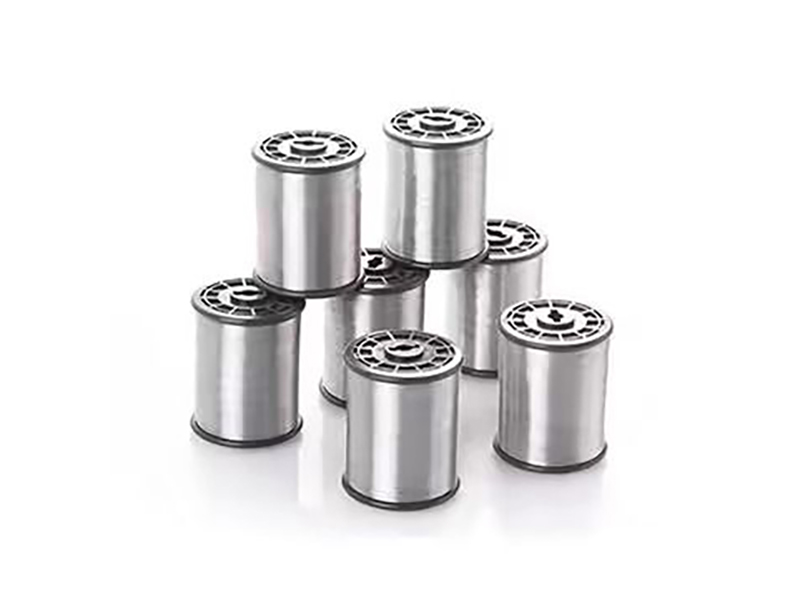
ลวดเชื่อมอลูมิเนียมอัลลอยด์ 5154
-
 ดูเพิ่มเติม
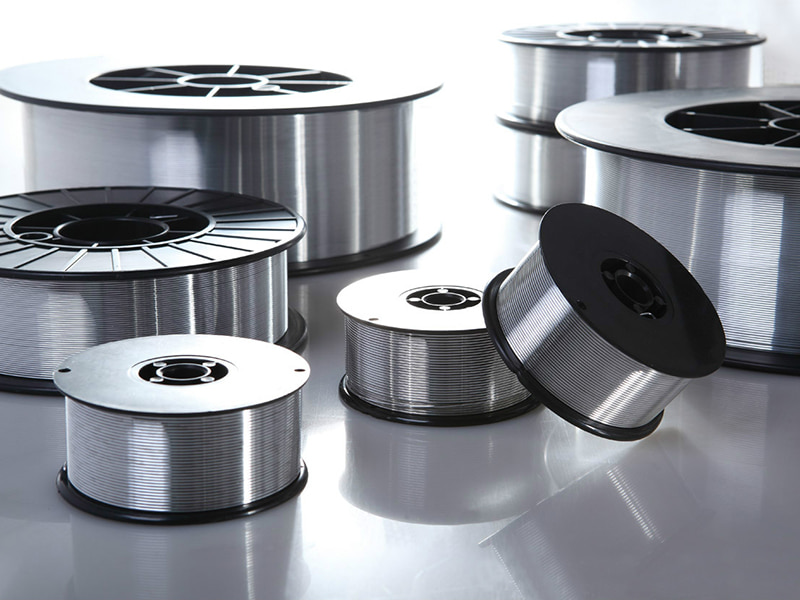
ER4043 ลวดเชื่อมอลูมิเนียมซิลิคอน
-
 ดูเพิ่มเติม
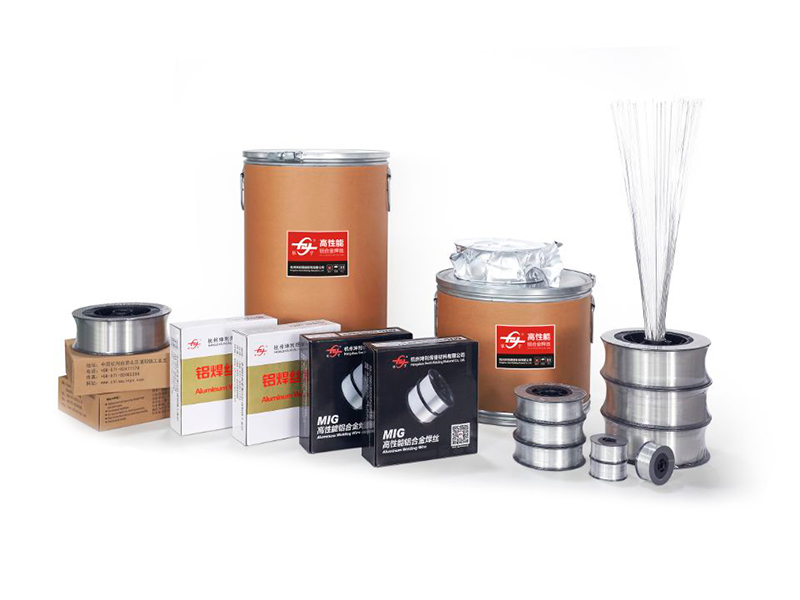
ER4047 ลวดเชื่อมมิกอลูมิเนียม
-
 ดูเพิ่มเติม
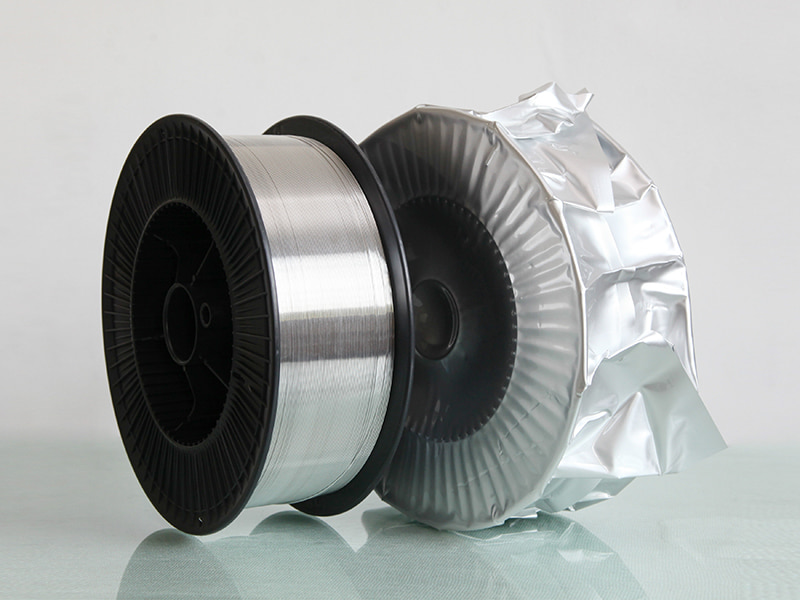
ER5154 ลวดโลหะผสม Al-Mg
-
 ดูเพิ่มเติม
ER5087 ลวดเชื่อมอลูมิเนียมแมกนีเซียม
-
 ดูเพิ่มเติม
ลวดเชื่อมอลูมิเนียม ER5183
-
 ดูเพิ่มเติม
ลวดเชื่อมอลูมิเนียม ER5356
-
 ดูเพิ่มเติม
ER5554 ลวดเชื่อมอลูมิเนียม
-
 ดูเพิ่มเติม
ER5556 ลวดเชื่อมอลูมิเนียม
-
 ดูเพิ่มเติม
ลวดเชื่อมอลูมิเนียม ER1100
-
 ดูเพิ่มเติม
ER5754 ลวดเชื่อมอลูมิเนียม
-
 ดูเพิ่มเติม
ER2319 ลวดเชื่อมอลูมิเนียม

